In the shadowed corridors of history and the whispering winds of legend, there exist figures that defy the conventional bounds of time and reality. These are the Aeons-ancient beings whose origins stretch beyond recorded memory, entities woven into the fabric of myth yet lingering on the fringes of philosophical and esoteric inquiry. “Unveiling the Aeons: Ancient Beings Beyond Time and Myth” embarks on a journey through forgotten epochs and transcendent narratives to explore these enigmatic presences. By peeling back the layers of symbolism and lore, this article seeks to illuminate the nature and significance of the Aeons, inviting readers to contemplate the mysteries that reside where history blurs into the eternal.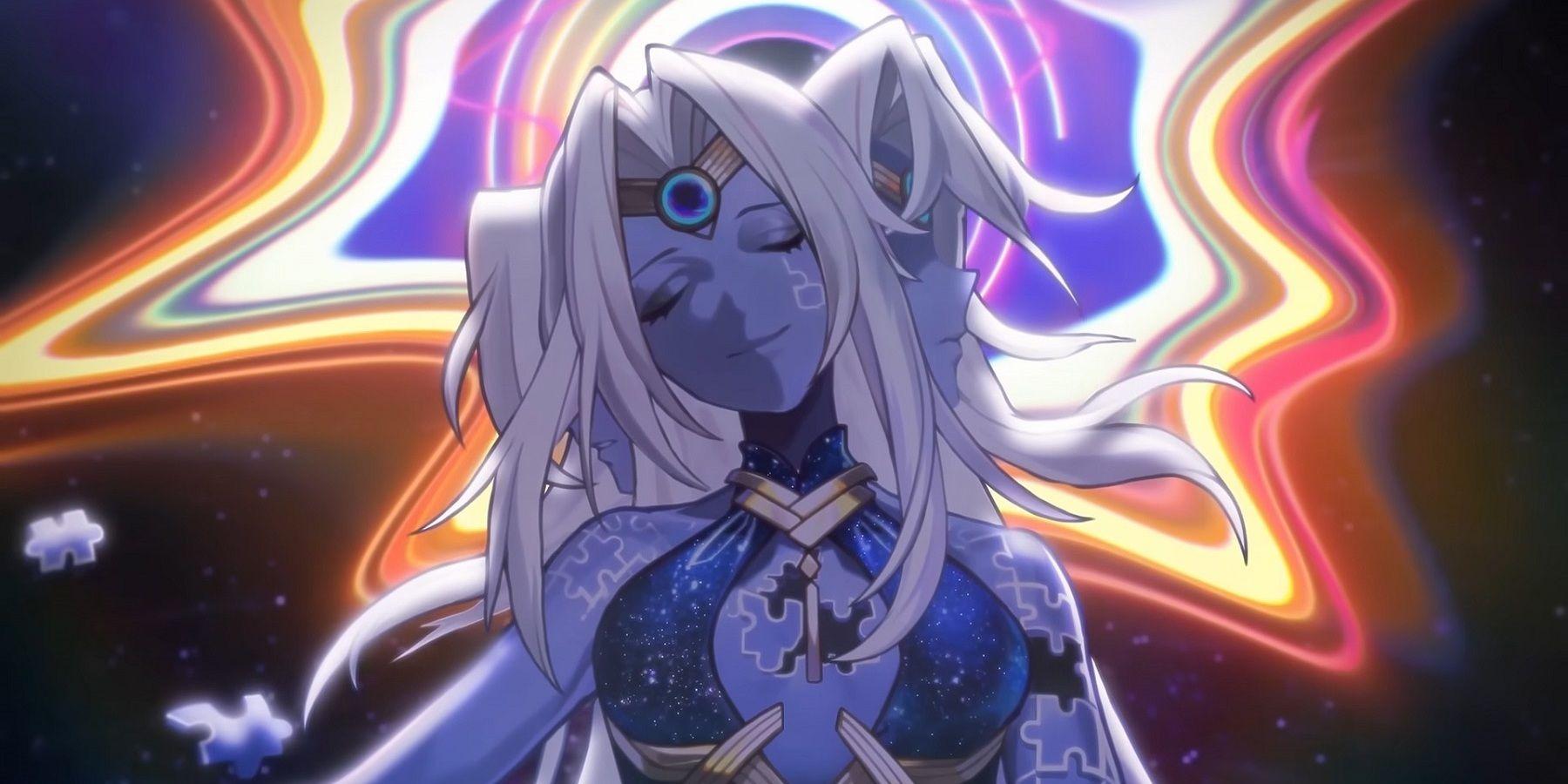
Unraveling the Origins of Aeons in Ancient Lore
Across countless ancient civilizations, stories whispered through generations speak of entities that transcend mortal understanding-timeless architects of existence that defy the linear progression of history. These beings, often cloaked in myth and enigma, are believed to reside at the cusp of reality and eternity. Their presence is felt not just in the grand cosmic cycles but also in the subtle shifts of human consciousness. Scholars of esotericism propose that they are the original keepers of wisdom, embodying the intersection of creation and destruction, order and chaos. This duality grants them influence over the fabric of time itself, weaving moments into the eternal tapestry of life.
Delving into these ancient narratives reveals a pattern of attributes commonly associated with such primordial beings:
- Immortality: Beyond the reach of death or decay, they persist as constants in a changing universe.
- Omniscience: Possessing knowledge unfathomable to humans, encompassing past, present, and future.
- Cosmic Functionality: Guardians or agents ensuring the balance of celestial forces.
The table below provides a brief comparison of notable aeonic figures cited in various mythologies, highlighting their distinctive traits and symbolic meanings.
| Culture | Entity | Symbolism | Role |
|---|---|---|---|
| Gnostic | Barbelo | Divine Forethought | Origin of emanations |
| Greek | Chronos | Time Personified | Master of ages |
| Egyptian | Atum | Creator and Completer | Source of all |
| Hindu | Kalachakra | Wheel of Time | Cyclical timekeeper |
Exploring the Symbolism and Influence of Timeless Beings
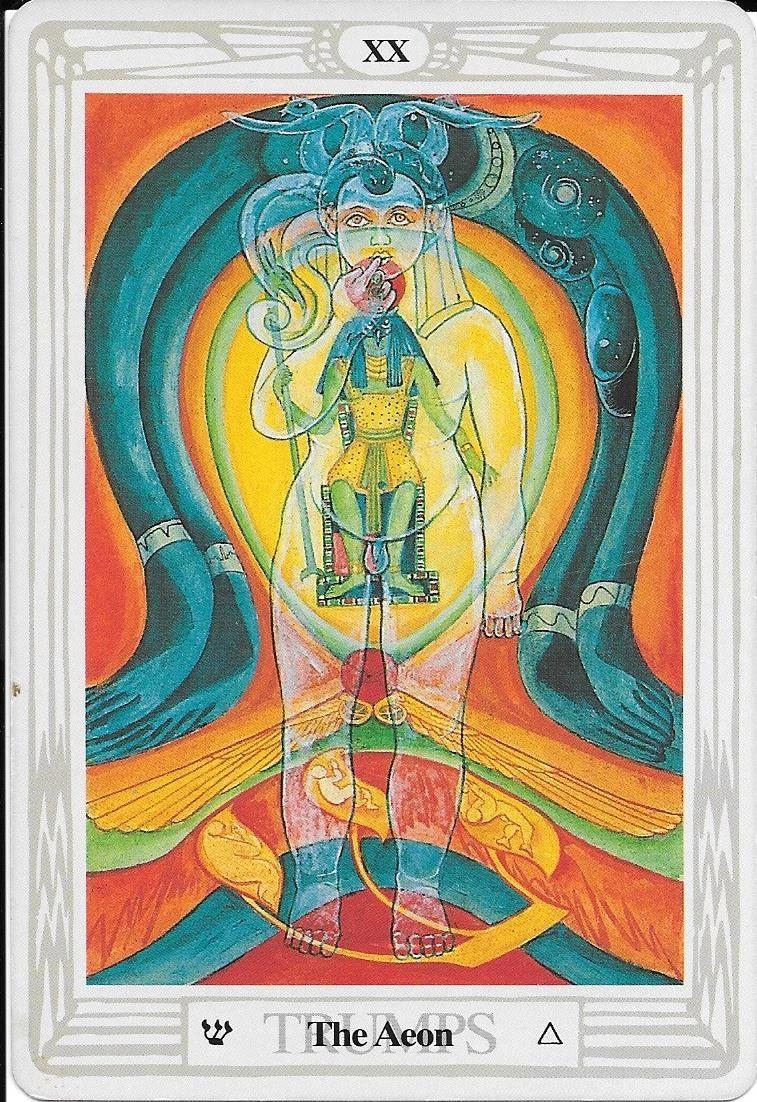
In the vast tapestry of human consciousness, ancient entities often emerge as more than mere myths; they symbolize eternal truths and unfathomable forces that transcend the barrier of time. These timeless beings are repositories of cosmic wisdom and guardians of hidden knowledge, embodying paradoxes such as creation and destruction, light and shadow, permanence and change. Their presence in art, literature, and spirituality beckons us to explore profound questions: What lies beyond the linear flow of time? How do these entities shape our understanding of existence and reality?
These figures, often depicted with enigmatic features and surrounded by celestial or elemental motifs, exert influence that ripples through cultures and epochs. Key elements associated with them include:
- Transcendence: Representing a state beyond physical and temporal limits
- Duality: Balancing opposing cosmic forces harmoniously
- Eternality: Manifesting endless cycles of rebirth and transformation
Their archetypal roles can be mapped across various ancient mythologies, highlighting both unique cultural expressions and universal themes. The table below offers a glimpse into their symbolic domains:
| Entity | Symbolic Domain | Cultural Influence |
|---|---|---|
| Aeon of Light | Illumination, Wisdom | Ancient Greece, Gnosticism |
| Celestial Weaver | Fate, Time | Norse Mythology |
| Primordial Serpent | Creation, Renewal | Mesopotamia, India |
Interpreting Aeons in Modern Thought and Culture
In contemporary philosophy and cultural discourse, aeons have transcended their archaic origins to become symbols of profound temporal and spiritual dimensions. Modern thinkers often reimagine them as metaphors for vast, incomprehensible spans of time that challenge human conceptions of existence and evolution. This reinterpretation fosters a dialogue between ancient cosmologies and modern existential inquiries, where aeons represent not only cosmic epochs but also states of consciousness or stages in the collective psyche’s development. Their fluid and multifaceted nature invites exploration into how humanity situates itself within an infinite continuum, pushing the boundaries between myth and the empirical.
The impact of aeonic symbolism ripples through various cultural expressions, from literature and visual arts to popular media. These ancient beings, though rooted in antiquity, serve as archetypes embodying themes of transformation, decay, and renewal. Contemporary culture often positions them as enigmatic forces that influence fate and identity, offering fertile ground for narratives that blur the line between reality and myth. Among key interpretive themes are:
- Timeless wisdom: Aeons symbolize an eternal source of knowledge beyond human understanding.
- Cycles of change: Representing phases of destruction and rebirth in cosmic and personal realms.
- Existential tension: Reflecting the paradox of permanence within transient life experiences.
Approaches to Integrating Aeonic Concepts into Contemporary Philosophy
Philosophers today can harness aeonic concepts as a framework to re-explore notions of time, existence, and being beyond the linear constraints that dominate contemporary thought. By adopting a multidimensional perspective rooted in the mythopoetic essence of aeons, one can challenge the conventional path of temporality, infusing philosophical discourse with an expansive, cyclical or layered sense of reality. This approach invites thinkers to view identity and consciousness not as fixed points but as fluid energies emanating from ancient cosmic principles, encouraging interdisciplinary dialogue that bridges metaphysics, epistemology, and ontology.
Several strategies can be employed to integrate these timeless entities into modern frameworks, often revolving around the symbolic interpretation of aeons as archetypal forces or stages in existential evolution. For example, incorporating aeonic symbolism into ethical theories may enrich moral philosophy with narratives of transformation and transcendence. To elucidate this, consider how aeons serve as:
- Temporal Anchors: Markers that disrupt the linear flow, enabling nonlinear models of progression.
- Mythic Constructs: Archetypes fostering a deeper understanding of human consciousness and collective memory.
- Existential Catalysts: Agents provoking introspection on permanence, change, and the unknown.
| Philosophical Domain | Aeonic Influence | Potential Application |
|---|---|---|
| Metaphysics | Cyclical time concept | Rethinking causality and existence |
| Ethics | Transformative archetypes | Developing dynamic morality |
| Epistemology | Layered knowledge systems | Expanding approaches to truth |
To Wrap It Up
As we close the chapter on these timeless entities, the veil between myth and reality thins, inviting us to ponder the vastness of existence beyond human reckoning. The Aeons, ancient and enigmatic, dwell not just in the forgotten folds of history, but in the echoes of our collective consciousness-reminding us that some mysteries are forever intertwined with the fabric of time itself. Whether they be remnants of a forgotten cosmos or figments of our deepest imaginings, their presence challenges us to embrace the unknown, urging a continual exploration of what lies beyond the limits of our understanding. In unveiling the Aeons, we glimpse the infinite-where myth and eternity converge, and the story of existence unfolds in silent reverence.